
One of the most common mistakes in managing partners is asking a simple question: “How can we help you?”. While well-intentioned, this approach is fundamentally flawed. Your partners often do not know enough about your product or sales process to answer this effectively. The trouble is they may think they know, and this can lead to lost time and opportunities.
You must move beyond their opinions and assess their actual capabilities through evidence-based questioning.
When is Enablement Planning Needed?
Enablement is not a one-time event; it is partner of a continuous process:
- During the Partner Recruitment process to validate potential before signing.
- On reviewing plans or a refresh with a specific partner to address stalled growth.
- As part of a Partner Network Review to identify systemic capability gaps across your ecosystem.
The Objective of Enablement Planning
The goal is not to offer a generic buffet of resources, but to provide table service. You must put in place the right partner enablement support plan to suit:
- The partner’s commitment and business activity.
- The partner’s actual capabilities.
- Your requirements from the partner to achieve mutual success.
Five Key Points on Assessment for Partner Enablement
To build an effective plan, you must assess five specific areas against your clear Partnering Requirements:
1) Current Business State:
- You must establish a baseline. Don’t rely on their pitch; dig into the hard numbers. How many relevant clients do they actually have?
- What is their current team size, and specifically, how many certified consultants do they have on the bench?
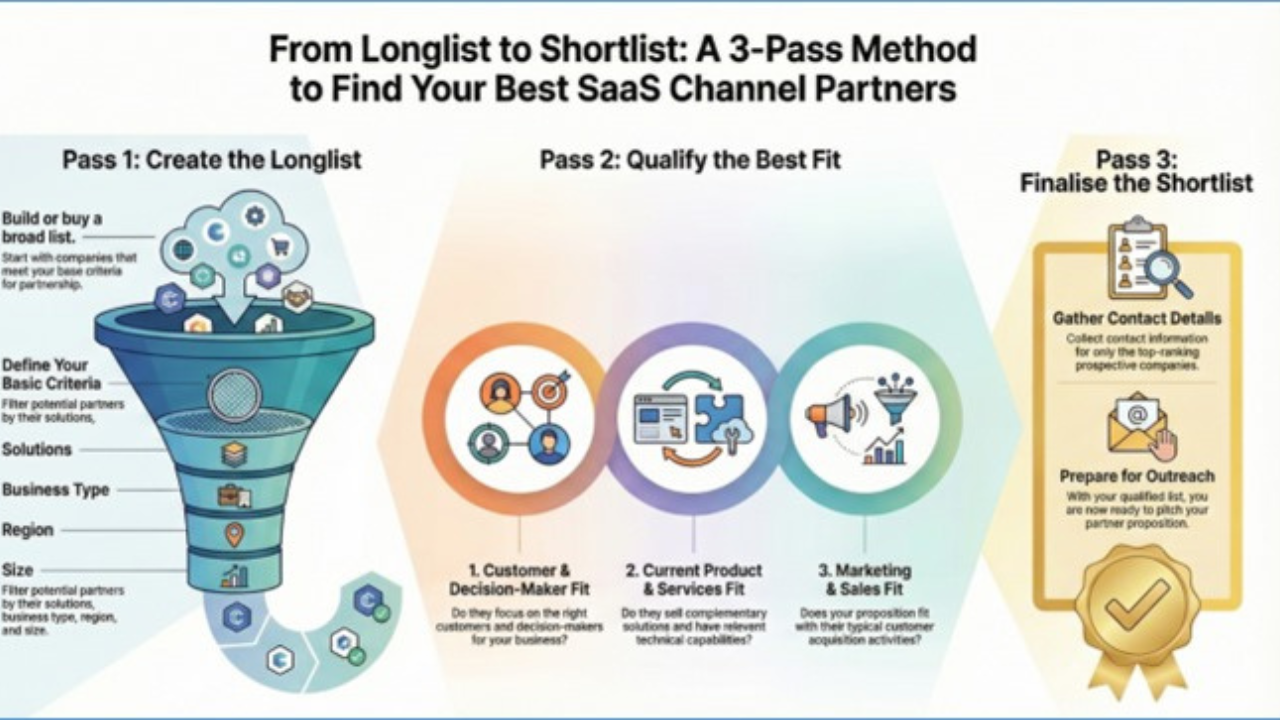
- You are verifying if they meet your minimum Partner Profile criteria regarding size and market presence.
2) Ambitions & Objectives:
- Where do they want to go, and does it align with your goals?
- You need to know if they are planning to grow their managed services or project-based revenue.
If your Partnering Requirement is rapid licence growth, but their ambition is purely service-led with low transaction volume, you have a misalignment that enablement cannot fix.
3) Capabilities:
Do they have the machinery? You must assess three distinct engines:
- Delivery: Assess their technical capacity to implement your solution, and the investment required to self-sufficiency
- Marketing: Assess their process for lead generation, and how, and if, you can incorporate your best method into their process.
- Sales: Assess their sales process and capabilities, and where your proposition will show up, for existing customers and for new. You must find your “Will you have fries with that?” points in the partner’s process.
- You are mapping your Partnering Requirements for the specific company type and partner relationship type. Eg: you don’t expect Referral Partners to have sales closing or delivery capabilities.
4) Bottlenecks:
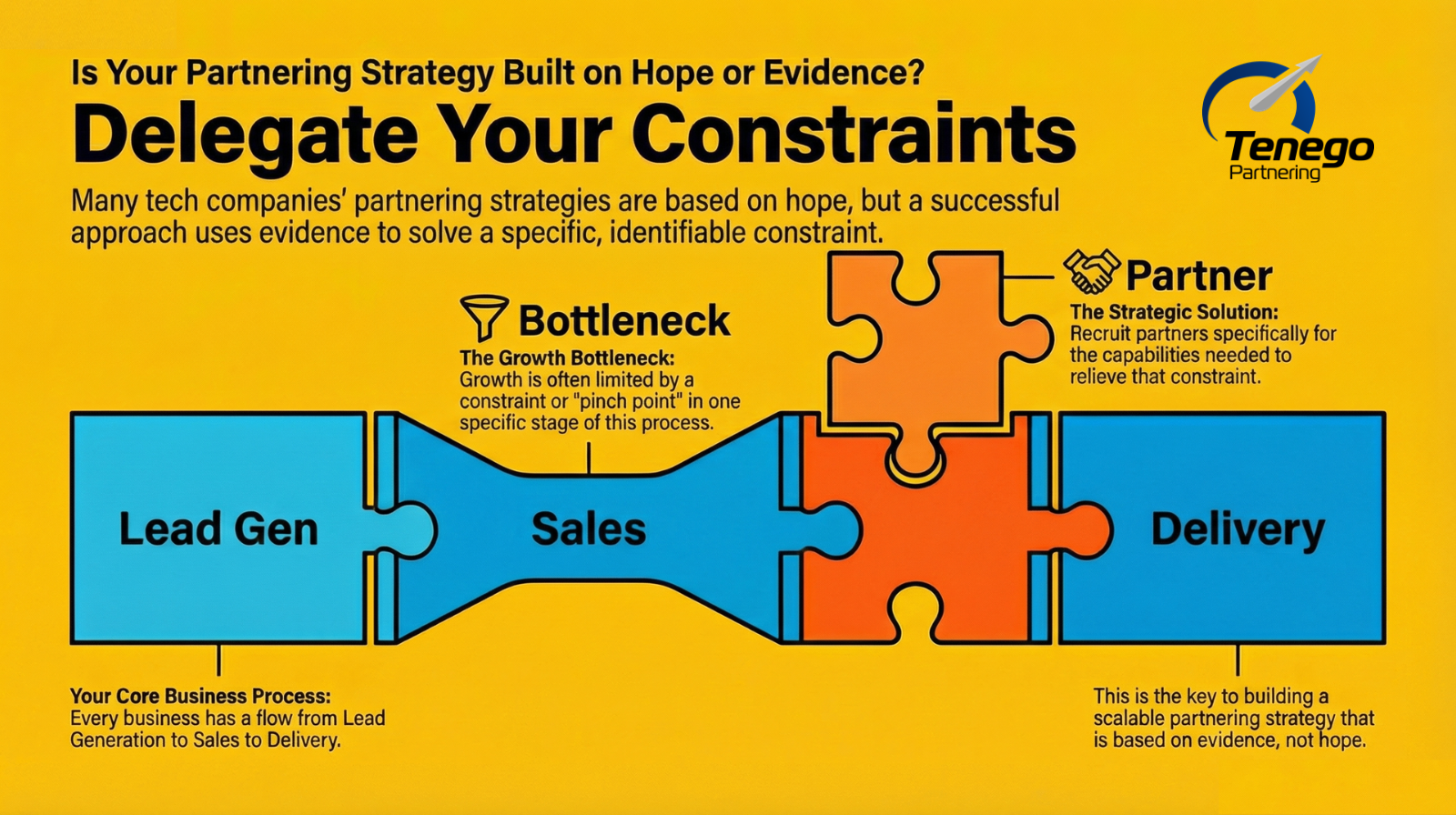
What is the primary constraint to start or stopping growth? It is rarely what they say it is. They might ask for more leads, but if their close rate is low, the bottleneck is sales capability or product knowledge.
You must diagnose the root cause to apply the right enablement remedy.
5) Joint Plan:
This is where assessment turns into accountability, for you and your partner.
Define mutual targets—specifically Activity Targets (e.g. 5 new prospects introduced quarterly) rather than just revenue targets, which are lagging indicators. The plan must detail the support activities you will provide to help them and how you hit those targets together.
Review Meeting Cadence:
Depending on the level of activity, you want to build multiple levels of relationships, as agreed in Partner Onboarding aligning across functions Business Sponsors, Product Lead (if a vendor), Marketing, Sales, Partnering. With your Enablement plans, you agree the review points at each relationship level.
Prerequisites of Partner Assessment & Enablement
Before assessing a partner, ensure you have your own foundations in place:
- Your Partnering Requirements: Clearly defined details of what you want from the partner, along your product to marketing, sales, delivery and support processes.
- Your Partner Profile: Detailed criteria of your Target Partner Company Type to filter out noise.
- Partner Fit Evaluation Template: A detailed, structured template to assess the suitability of the partnership objectively.
- Your Partnering Strategy: How partners fit into your overall business objectives.
Your Next Read on related topics, depending on your partnering stage: